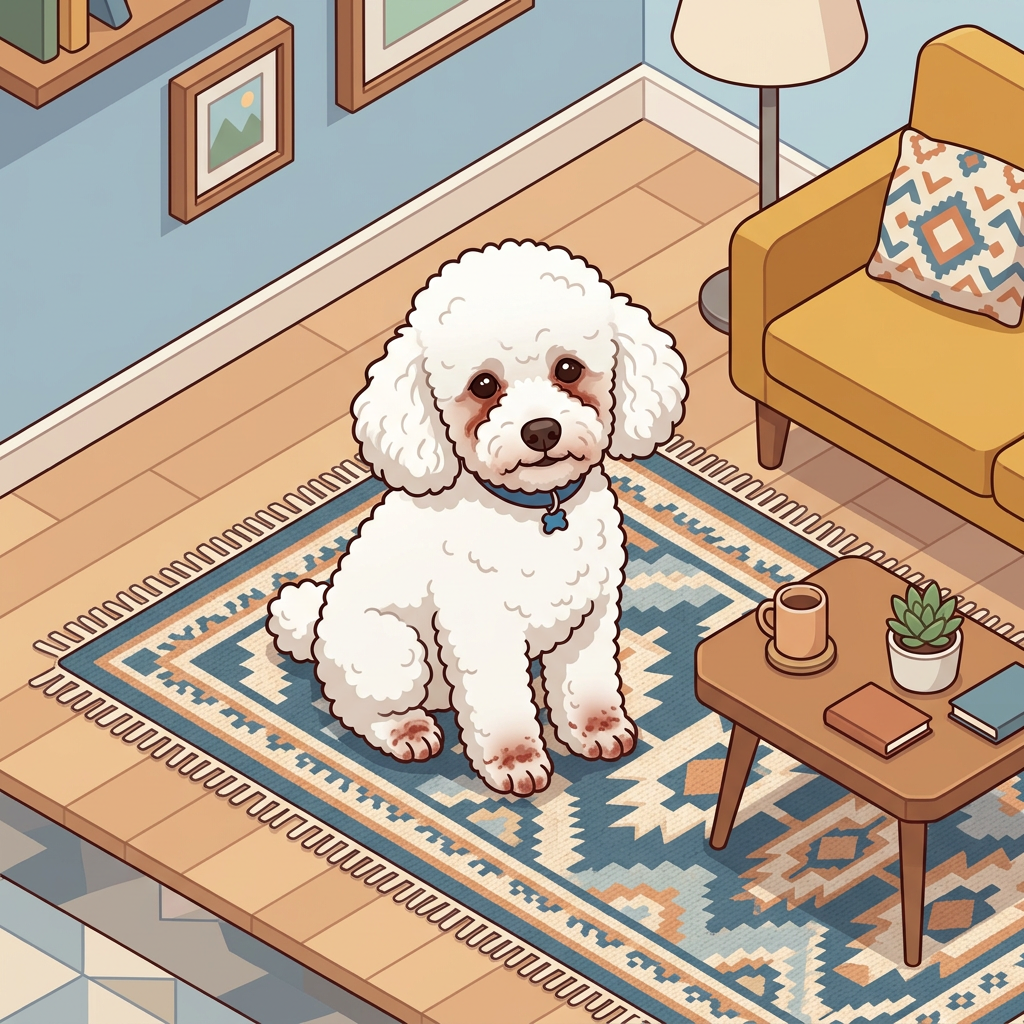
Many pet owners deal with allergies. Pets can develop reactions to certain foods, such as chicken or wheat, or to environmental factors, such as pollen or grass. While allergy shots, steroids, and prescription diets are common, there are safer and better ways to help your pet manage allergies and intolerances.
Allergic reactions happen when the immune system reacts to something it sees as a threat. Many allergy medications can have serious long-term side effects. For example, antihistamines and other immunosuppressants block the chemicals that cause itching. Apoquel, a common allergy medicine for pets, can raise your pet’s risk for infections and other problems because it shuts off parts of your pet’s immune system. These immune responses are important, and turning them off can hide signs that something is wrong.
Signs of allergic reactions
Allergies and intolerances can cause a range of symptoms, from mild to severe. Common signs include:
- Extremely dry or flaky skin
- Hotspots
- Chronic ear infections
- Irritation around sensitive areas like the belly or eyes
- Staining around the paws and mouth from licking
- Diarrhea or vomiting
- Restlessness and excessive irritability
Some pets show these problems more clearly than others, but even mild symptoms can be uncomfortable and may get worse quickly.
What is yeast overgrowth, and why does it happen?
Yeast overgrowth often happens because of an imbalance in your pet. Things like antibiotics, hormonal changes, and diets high in starch and sugar can cause gut and skin imbalances. Yeast is a natural, common fungus and is always on your pet’s skin, but when bad bacteria take over the gut, yeast can grow too much, causing infections, odors (like “frito toes”), and itching. Bad gut bacteria feed on starchy foods, and when these foods are gone, they can damage your pet’s stomach and intestines, making the lining too permeable. This lets undigested food and toxins pass through, and the body reacts by attacking everything. That’s how gut inflammation can affect your pet’s skin, ears, eyes, and overall health.
solutions
The best way to help with allergies is to support your pet’s immune system. Try to reduce sources of inflammation and keep your pet’s gut healthy. Microbes play a big role in your pet’s health. They help break down food and signal which parts of the body need attention. These microbes also communicate with immune cells and help train your pet’s immune system. When the balance of microbes in the gut or on the skin is off, the immune system can’t work as it should. Things like antibiotics, medications, or eating only processed food with the same protein can harm these microbes. To keep your pet healthy, encourage a mix of good bacteria and microbes.
How to encourage good gut health
Most dogs and cats eat a chicken-based diet. Chicken is a good and affordable protein, but if pets eat it all the time, they can develop an intolerance. This can look like allergies and may develop into a real allergic reaction if not addressed. If you feed kibble, try switching to a different protein first.
When you try an elimination diet, check any treats you give for ingredients that cause inflammation or ones you are trying to avoid. Your pet might not feel better right away, so it’s important to stick with the new protein for 6 to 8 weeks to see results. Bathe your pet with a mild shampoo or just water at least twice during this time to help reduce any staining on their coat. If your pet has a sudden, serious reaction to a protein, like severe stomach problems or hives, stop and call your veterinarian. You might need to use a hydrolyzed protein for your elimination trial.
After switching to a high-quality, chicken-free kibble, try adding foods that are more natural for your pet. You can start with goat’s milk or plain Greek yogurt, then after a few days, replace about 10% of the kibble with a complete and balanced raw or gently cooked food. Try to avoid synthetic additives and preservatives, since these can seem strange to your pet’s immune system and may cause reactions. Preservatives are meant to kill bacteria, and once inside your pet, they can harm the good bacteria too. The easier it is for your pet to digest their food, the better they will feel overall.
Environmental factors
Once your pet’s gut health is in good shape, it’s time to look at their environment. Addressing ongoing problems from different angles is important. Here are some steps to help with environmental allergies:
- Vacuuming and washing bedding regularly, especially in high-traffic areas
- Wiping down your pet quickly with a towel when they reenter the house after a walk
- Replacing air and furnace filters regularly
- When allergies are at their worst, try taking longer walks later in the day when there is less pollen. In the mornings, use toys and puzzles indoors instead.
- If you feed kibble, buy smaller bags because storage mites and other microbes can grow on open, starchy foods. Keep the food in its original bag, seal it with a clip after opening, and store it in another container like a lidded trash can or a twist-top food bin.
Besides environmental allergens, you can help your pet by cutting down on everyday toxins. Here are some common ones to watch for:
- Lawn chemicals like weed killers and pesticides
- Cleaners and air fresheners: choose vinegar and water, Dawn dish soap, or use air purifiers instead
- Toxic plants from bouquets or gardens
- Mold and mildew
- Try to use bedding made from natural fibers when you can, and wash often
- Traditional flea and tick treatments are needed for many pets during peak seasons, but try to use them only when necessary. Natural products, like food-grade diatomaceous earth, can help reduce the amount of pesticides your pet is exposed to.
Helping your pet means teaching their immune system that not everything is a threat. Watch your pet’s progress closely. If your pet is itchier or has stomach issues on certain days, think about what might have changed. Was it windy? Did your pet go to the groomer or visit a friend’s yard?
Persistent issues
Even after fixing the main problems, your pet might still have issues like loose stools or unhealed hotspots. It’s important to treat these too. They usually get better over time, but make sure your pet stays comfortable. For hotspots, keep the area clean and dry. A wound spray can also help with symptoms while you work on the underlying issues.
Medicated shampoos can help for a short time, but using them too long can harm your pet’s skin microbes. For most pets, a gentle puppy shampoo or an enzymatic shampoo is enough.
Loose stools are common when you change your pet’s diet. Adding fiber, like plain pumpkin, and extra probiotics can help. If you see mucus in the stool, it’s usually a sign that the gut is healing and should go away in about a week.
A note on medications
Never stop giving your pet medications like Apoquel, daily antihistamines, or steroids without talking to your vet first. Stopping these suddenly can be very dangerous, especially for pets who have used them for a long time. Some pets with severe allergies may still need medicine or injections at certain times of year. The main goal is to use these less often if possible.
Leave a Reply